Quick Summary
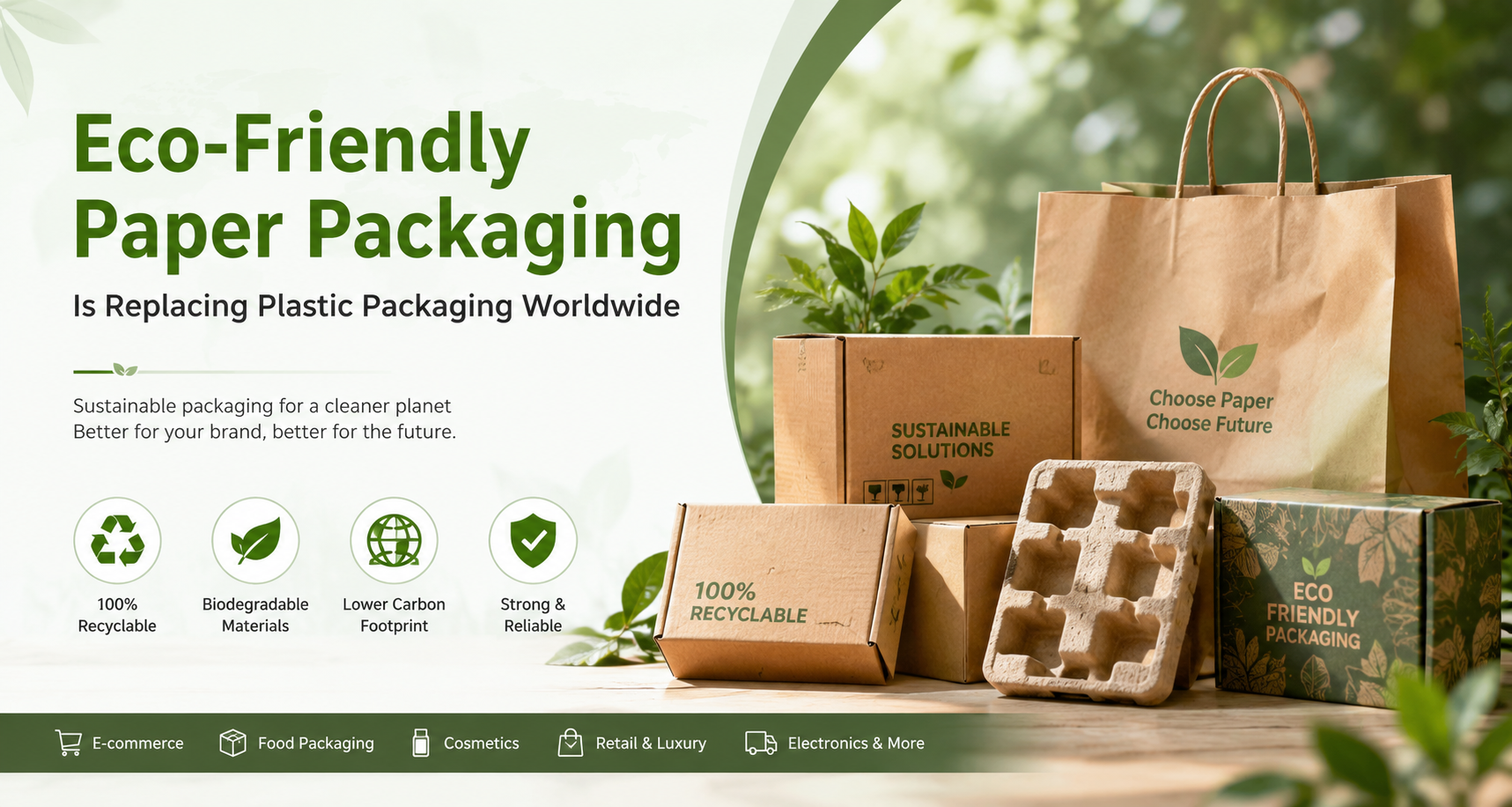
As global environmental concerns continue to grow, more businesses are replacing traditional plastic packaging with eco-friendly paper packaging solutions. Sustainable paper packaging offers major advantages such as recyclability, biodegradability, lower carbon emissions, and stronger consumer trust. Industries including e-commerce, food packaging, cosmetics, luxury retail, and electronics are rapidly adopting paper-based alternatives to meet both customer expectations and government sustainability regulations.
Key Takeaways
This article explores why paper packaging is becoming the preferred choice worldwide, compares paper and plastic packaging, explains common sustainable packaging materials, and analyzes the latest industry trends shaping the future of packaging. It also discusses the challenges businesses may face when switching to paper packaging and provides practical guidance on choosing the right sustainable paper packaging manufacturer for long-term growth and environmental responsibility.
Why Plastic Packaging Is Losing Favor Worldwide
Growing Environmental Problems Caused by Plastic
Plastic packaging has been used for decades because it is cheap, lightweight, and waterproof. However, the environmental damage caused by plastic waste has become impossible to ignore.
According to global environmental studies, more than 400 million tons of plastic waste are generated worldwide every year, and packaging accounts for a large percentage of that waste. Unfortunately, less than 10% of plastic waste is recycled effectively in many regions.
Plastic pollution affects oceans, rivers, forests, and even food systems. Microplastics have already been found in drinking water, seafood, and soil. Wildlife such as turtles, fish, and birds are frequently harmed by plastic waste.
Another major issue is carbon emissions. Plastic is made mainly from fossil fuels such as petroleum and natural gas. Manufacturing plastic packaging consumes large amounts of energy and contributes to greenhouse gas emissions.
In contrast, eco-friendly paper packaging is produced from renewable fiber resources and generally has a much lower environmental impact.
Consumers Prefer Sustainable Packaging
Modern consumers care more about sustainability than previous generations. Packaging is no longer viewed as something temporary that gets thrown away immediately. It has become part of the customer experience.
A growing number of consumers prefer brands that use recyclable or biodegradable packaging. Many shoppers are even willing to pay more for products packed in environmentally friendly materials.
For example, many coffee brands that previously shipped products in plastic mailers are now switching to kraft paper mailer boxes. Customers often share these sustainable packaging designs on social media because natural paper packaging looks cleaner, more premium, and more environmentally responsible.
Luxury skincare brands are also replacing plastic inserts with molded pulp packaging or recycled paper trays. This helps brands create a stronger eco-friendly image while reducing waste.
As sustainability awareness grows, businesses that continue relying heavily on plastic packaging may risk losing customers to competitors offering greener alternatives.
Government Regulations Are Accelerating the Shift
Governments worldwide are introducing regulations to reduce plastic waste and promote sustainable packaging.
The European Union has implemented stricter packaging waste regulations and sustainability reporting requirements. Several U.S. states have introduced bans or taxes on single-use plastic packaging. Many countries are also expanding Extended Producer Responsibility policies, which require businesses to manage packaging waste more responsibly.
These regulations are encouraging companies to invest in plastic free packaging solutions and recyclable packaging systems.
Many businesses now work closely with recyclable packaging manufacturers to prepare for future compliance requirements before stricter regulations take effect.
What Is Eco-Friendly Paper Packaging?
Definition and Main Features
Eco-friendly paper packaging refers to packaging materials made primarily from renewable paper fibers that are recyclable, biodegradable, compostable, or reusable.
Unlike traditional plastic packaging, paper packaging can often be recycled multiple times through existing recycling systems.
✔ Recyclability
✔ Biodegradability
✔ Renewable Raw Materials
✔ Lower Carbon Footprint
✔ Easier Waste Management
✔ Consumer-Friendly Disposal
Many companies also prefer FSC-certified paper materials because they support responsible forest management practices.
Kraft Paper Packaging
Kraft paper packaging is one of the most popular sustainable packaging solutions today. It has a natural brown appearance, strong durability, and environmentally friendly appeal. Many businesses choose kraft paper packaging because it combines low cost with excellent recyclability.
Common Applications
✔ Shopping Bags
✔ Food Wrapping
✔ Mailer Bags
✔ Retail Packaging
✔ E-commerce Packaging
Corrugated Paper Boxes
Corrugated packaging is widely used for shipping and logistics. The layered flute structure provides strong protection during transportation, making it one of the most important packaging solutions for modern e-commerce businesses.
Common Applications
✔ E-commerce Shipping Boxes
✔ Electronics Packaging
✔ Subscription Boxes
✔ Industrial Packaging
Molded Pulp Packaging
Molded pulp packaging is made from recycled paper fibers and is commonly used to replace plastic trays and foam inserts. It is biodegradable, recyclable, and increasingly popular among sustainable brands worldwide.
Common Applications
✔ Electronics Protection
✔ Cosmetic Inserts
✔ Food Trays
✔ Industrial Cushioning
Rigid Paper Gift Boxes
Luxury brands frequently use rigid paper gift boxes for premium packaging experiences. Compared to plastic packaging, rigid boxes create a more elegant appearance and improve the overall unboxing experience.
Common Applications
✔ Jewelry Packaging
✔ Watch Packaging
✔ Cosmetics Packaging
✔ Gift Packaging
✔ Luxury Retail
Common Materials Used in Sustainable Paper Packaging
| Material |
Common Thickness |
Main Applications |
Recyclability |
| Kraft Paper |
80–250 gsm |
Bags, wrapping, mailers |
Excellent |
| Corrugated Board |
1–8 mm |
Shipping boxes |
Excellent |
| Greyboard |
800–2000 gsm |
Rigid gift boxes |
Very Good |
| Coated Paper |
128–350 gsm |
Retail printing boxes |
Good |
| Recycled Paper |
Various |
General packaging |
Excellent |
| Sugarcane Bagasse Paper |
Various |
Food containers |
Compostable |
These materials allow manufacturers to create customized packaging solutions for different industries and budgets.
Key Advantages of Eco-Friendly Paper Packaging
Better Brand Image and Customer Trust
Packaging strongly influences how customers perceive a brand.
Today, sustainable packaging often creates a more premium and responsible image. Consumers associate paper packaging with environmental awareness, product quality, and modern branding.
Many luxury jewelry brands now use rigid paper gift boxes with minimalistic designs instead of glossy plastic packaging.
Businesses working with a professional custom gift box manufacturer can create unique packaging that strengthens brand identity and customer loyalty.
Easier Recycling and Waste Reduction
One of the biggest advantages of paper packaging is recyclability.
| Packaging Material |
Average Recycling Rate |
| Paper Packaging |
65–85% |
| Plastic Packaging |
5–15% |
This supports the circular economy by reducing landfill waste and reusing valuable materials.
Safer for Food and Consumer Products
Many food companies are replacing plastic containers with paper-based alternatives.
✔ Coffee Shops
✔ Bakeries
✔ Fast Food Chains
✔ Frozen Food Brands
✔ Organic Food Companies
Strong Protection and Shipping Performance
Modern corrugated packaging systems are highly durable and suitable for long-distance shipping.
✔ Product Protection
Protects products effectively during transportation.
✔ Lightweight Shipping
Reduces overall shipping weight and logistics costs.
✔ Better Recycling
Improves recycling rates and sustainability goals.
✔ Customer Experience
Enhances unboxing and premium brand presentation.
FAQ
1. Why is eco-friendly paper packaging becoming more popular worldwide?
Eco-friendly paper packaging is becoming more popular because consumers, governments, and businesses are all looking for ways to reduce plastic waste and improve sustainability. Paper packaging is recyclable, biodegradable, and often made from renewable materials. Many brands also prefer paper packaging because it creates a more premium brand image and environmentally responsible positioning.
2. Is paper packaging really better for the environment than plastic packaging?
In many cases, paper packaging has a lower environmental impact than plastic packaging. Paper is generally easier to recycle, decomposes faster, and is produced from renewable fiber resources. While paper manufacturing still consumes energy and water, sustainable forestry practices and recycling systems make it a more environmentally friendly option for many industries.
3. Can paper packaging protect products during international shipping?
Yes. Modern corrugated paper packaging is designed to provide strong protection during transportation and storage. Many e-commerce companies and electronics brands use corrugated boxes, molded pulp inserts, and rigid paper packaging for international shipping because these materials offer durability while remaining lightweight and recyclable.
4. What industries use sustainable paper packaging the most?
Industries that widely use sustainable paper packaging include e-commerce, food and beverage, cosmetics, luxury retail, electronics, jewelry, and fashion packaging. Many businesses in these industries are replacing plastic packaging with recyclable paper materials to improve sustainability and meet customer expectations.
5. How do I choose a reliable paper packaging manufacturer?
A reliable paper packaging manufacturer should have strong production experience, quality control systems, export capability, sustainable certifications, and customization services. Businesses should also check printing quality, packaging samples, lead times, communication efficiency, and the ability to support long-term production requirements.